Categories
A trend in the toy industry
Under the promotion of global sustainable development goals,environmental protection has become a core issue in various industries.
Feb 27th,2025
534 Views
1. Environmentally friendly materials: from substitution to innovation
Traditional toys rely on non degradable materials such as plastic, and the application of environmentally friendly materials has become the primary breakthrough point for industry transformation. Https://kingkongtoys.com/blog-detail/how-to-choose-plush-toys-materials
Recyclable and biodegradable materials: For example, the "Dream Home - Big Paper House" launched by IELTS Global in Hong Kong uses 100% recyclable Swedish art paper, the environmentally friendly mahjong set from Beiluga uses biodegradable leather, and the cork bowling ball from Yiren International combines natural materials with functional design.
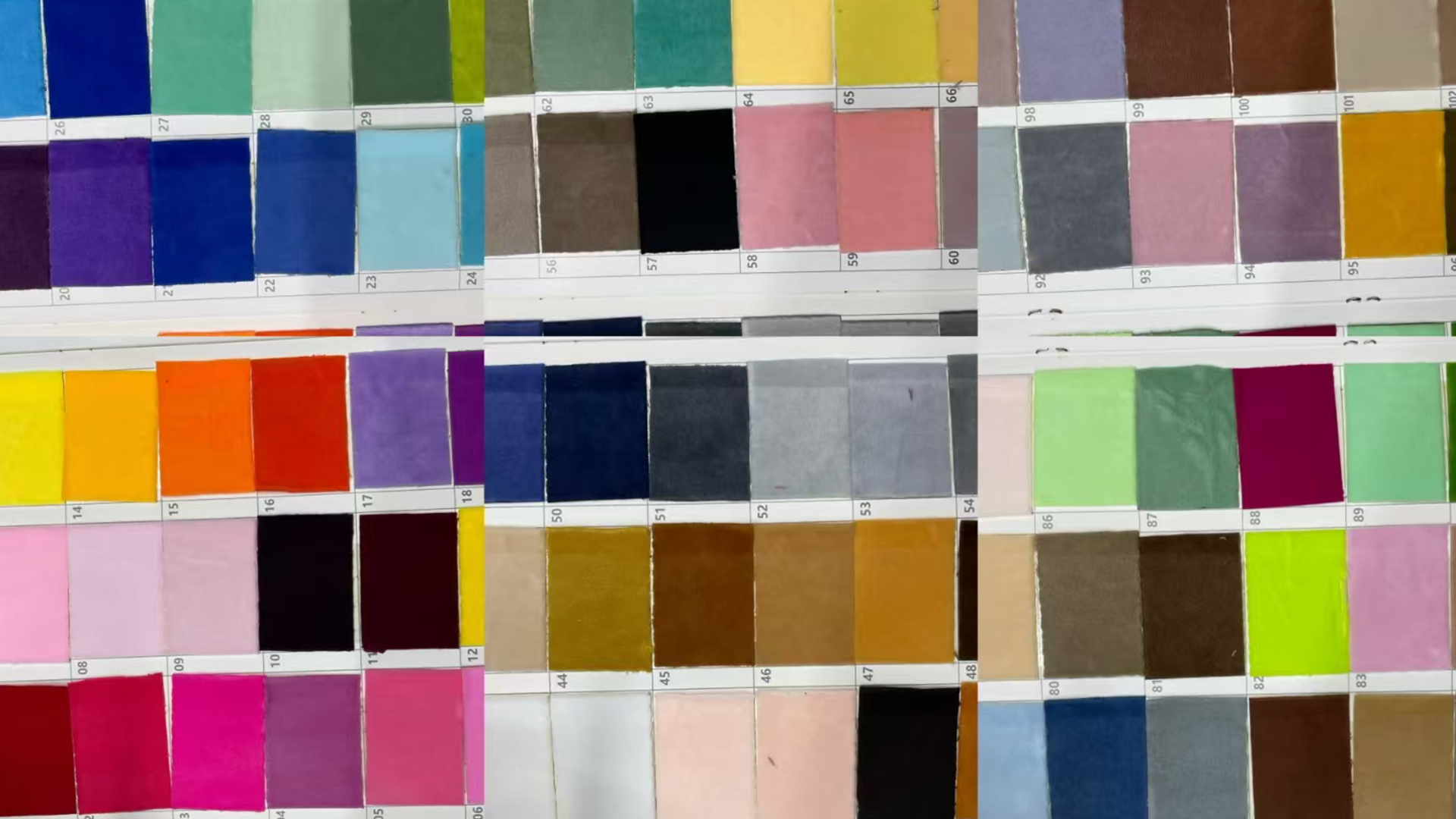
New environmentally friendly raw materials such as biodegradable plastics, bamboo fibers, and natural rubber are gradually replacing traditional plastics. It is expected that by 2025, toys that meet environmental standards will account for over 50% of the total market.
Policy driven: EU CE certification, China's "Toy Safety Regulations" and other regulations require materials to be non-toxic and harmless, forcing companies to upgrade their supply chains.
2. Deep integration of educational and environmental concepts
Toys are not only entertainment tools, but also carriers for conveying the concept of sustainable development. Https://sourcing.hktdc.com/en/Supplier-Store/Home/Dongguan-KingKong-Toys-Co-Ltd/1S00OKCQI
Design that combines education with entertainment, such as Pengli Company's "Recycling Game", which allows children to learn environmental knowledge through sorting garbage; The ocean rescue kit E3419 is themed around protecting marine life and inspiring children's ecological awareness.
Combining cultural inheritance with environmental protection: Some enterprises integrate intangible cultural heritage techniques into toy design, such as traditional handmade crafts used in grass woven toys, which are both environmentally friendly and promote culture.
Market demand driven: Over 70% of parents tend to purchase green toys, 80% value educational functions, and promote the development of products that combine environmental protection and educational attributes by enterprises.
3. Green transformation of the entire industry chain
The concept of environmental protection is extending from a single product to the entire production, packaging, and sales chain.
Green production mode: Enterprises reduce their carbon footprint through energy-saving and emission reduction technologies, such as using solar factories or water-based coatings to reduce pollution.
Simplification and Recycling of Packaging: Adopting plastic free packaging, reusable gift boxes, and even launching a "zero packaging" product line.
Circular economy practice: Some brands have established toy recycling programs to encourage consumers to return old toys for refurbishment or dismantling for reuse.
4. Technology Empowerment and Future Trends
Technological innovation provides more possibilities for environmentally friendly toys.
Integration of intelligence and environmental protection: AI driven intelligent toys optimize usage efficiency through data analysis and reduce resource waste. For example, smart building blocks can be programmed repeatedly to extend their lifespan.
Personalized customization reduces inventory waste: 3D printing technology allows for on-demand production, avoiding overproduction.
Integration of Virtual and Reality: AR/VR toys reduce physical material consumption while providing immersive environmental education experiences.
Conclusion
Environmental protection is not only a trend, but also an inevitable choice for the toy industry. From material innovation to upgrading the entire industry chain, only by embracing green transformation can enterprises gain an advantage in market competition and create a healthier home for the next generation.