Categories
The highest tariff 245%! The Trump government clobbering Chinese toy industry
The U.S. toy industry is reeling under the weight of unprecedented tariffs imposed by the Trump administration on Chinese imports, now soaring to a staggering 145%.
Apr 17th,2025
447 Views
As we all known,the tariffs imposed by Trump goverment on Chinese imports.This aggressive escalation, framed as a strategy to revive domestic manufacturing and counter China’s “unfair trade practices,” has instead plunged the sector into turmoil, threatening business closures, skyrocketing consumer prices, and layoffs for American workers.
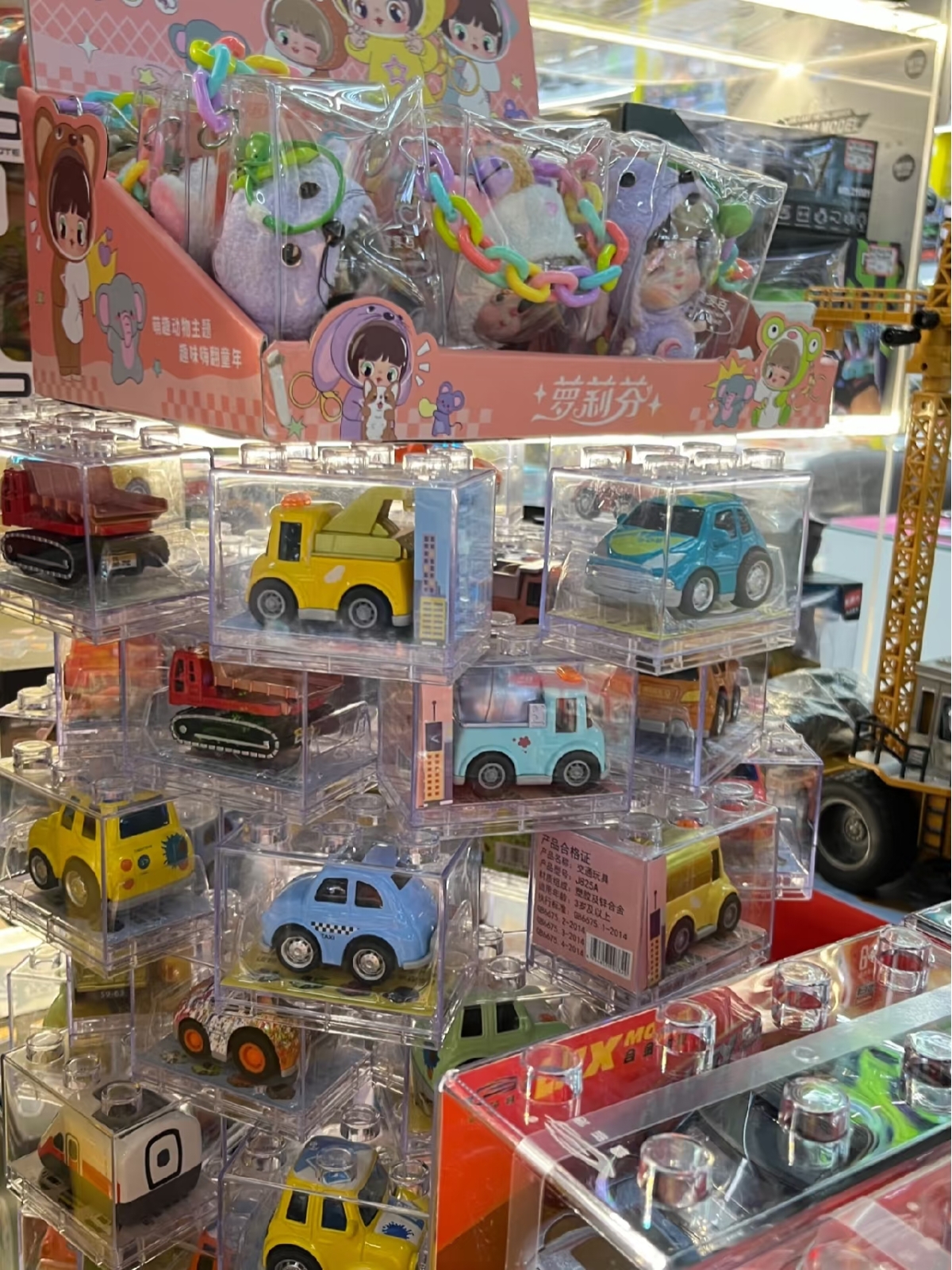
Dependency on Chinese Manufacturing
China dominates the U.S. toy market, supplying 75% of all toys imported into the country, valued at $13.4 billion in 2024.Decades of offshoring to leverage China’s low labor costs and specialized infrastructure have left the industry deeply entrenched. Toy production remains labor-intensive—painting doll faces, assembling action figures—and reliant on Chinese expertise. Greg Ahearn, CEO of The Toy Association, emphasized that shifting production to the U.S. is impractical for most companies due to high costs and a lack of domestic infrastructure for tasks like doll hair manufacturing. “What am I supposed to do? Sell bald dolls?” quipped Isaac Larian, CEO of MGA Entertainment, maker of L.O.L. Surprise! dolls.
Price Hikes and Consumer Impact
The tariffs have forced companies to pass costs to consumers. MGA Entertainment announced “high double-digit price increases,” risking affordability for families. With 80% of U.S. toys sourced from China, even basic toys could become luxuries.Learning Resources, an educational toy company, faces a tariff bill surge from 2.3 million to100 million in 2025. CEO Rick Woldenberg called the situation the “end of days,” reflecting widespread panic among importers.Analysts warn of long-term inflation spikes, with consumer expectations rising to 4.4%, further straining household budgets.
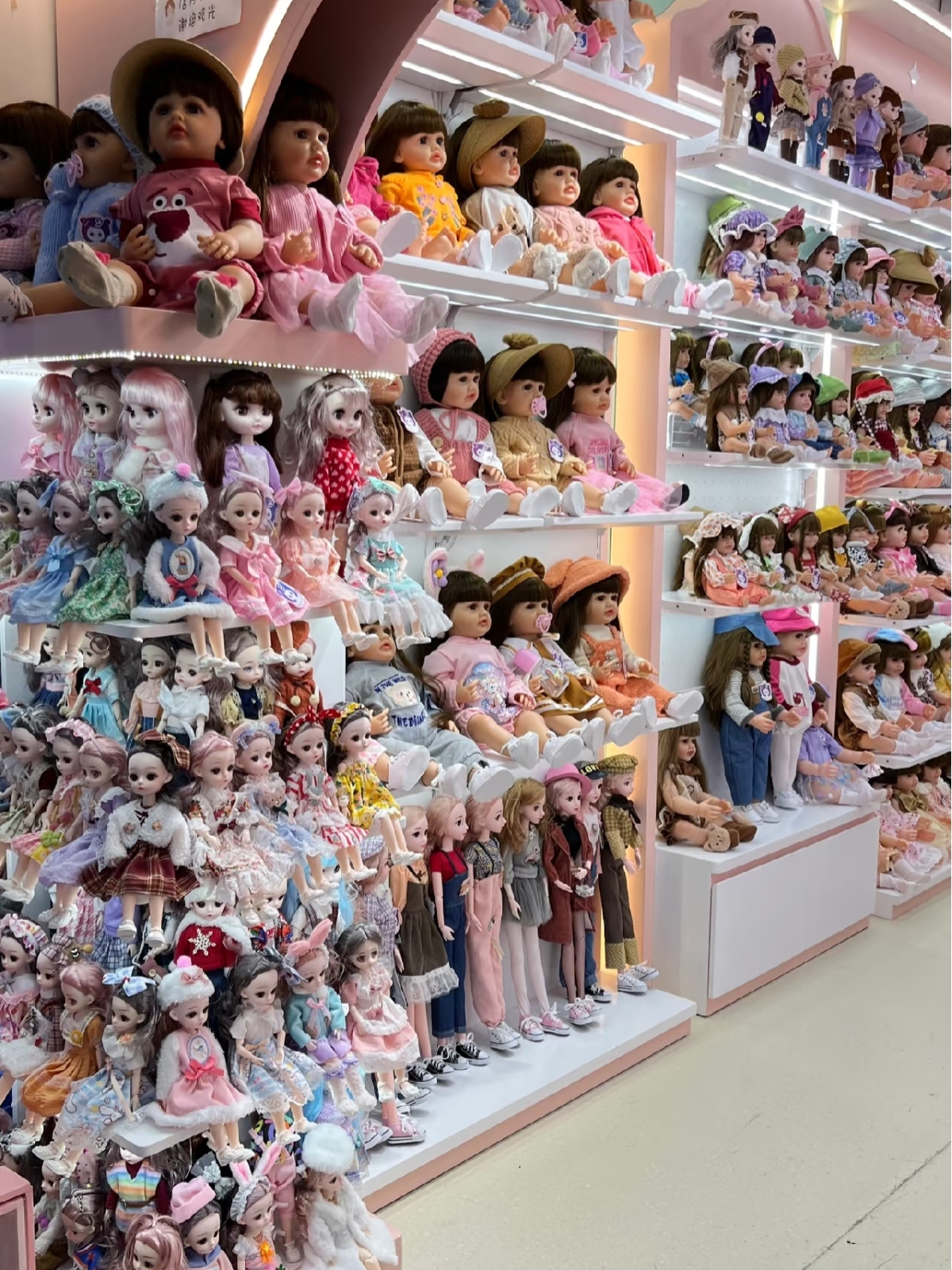
Contradictory Outcomes for American Jobs
While Trump’s tariffs aim to repatriate manufacturing, they have backfired. China’s retaliatory 125% tariffs on U.S. goods have pressured companies like MGA to cut jobs at its Ohio factory, which exports products to China.Jay Foreman, CEO of Basic Fun!, noted that relocating supply chains is nearly impossible: “Our tooling, factory base—everything is in China”.Labor shortages in the U.S. exacerbate the crisis, as domestic factories struggle to attract workers even when production is feasible.
Global Trade War Fallout
The tit-for-tat tariffs between the U.S. and China have spiraled into a broader economic standoff. Though Trump paused tariffs on other nations, the 145% levy on China remains, disrupting global supply chains and investor confidence.The Yale University Budget Lab estimates U.S. economic growth could slow by 1.1 percentage points in 2025 due to tariff impacts.
Conclusion
The toy industry’s plight underscores the collateral damage of Trump’s trade war. While intended to bolster American manufacturing, the tariffs have instead destabilized businesses, jeopardized jobs, and alienated consumers. With no short-term alternatives to Chinese production, the sector faces a grim reality: higher prices, reduced accessibility, and an uncertain future. As Larian starkly warned, “The life of my business, 46 years, is on the line”