CHOOSING THE RIGHT FACTORY
REPUTATION AND EXPERIENCE
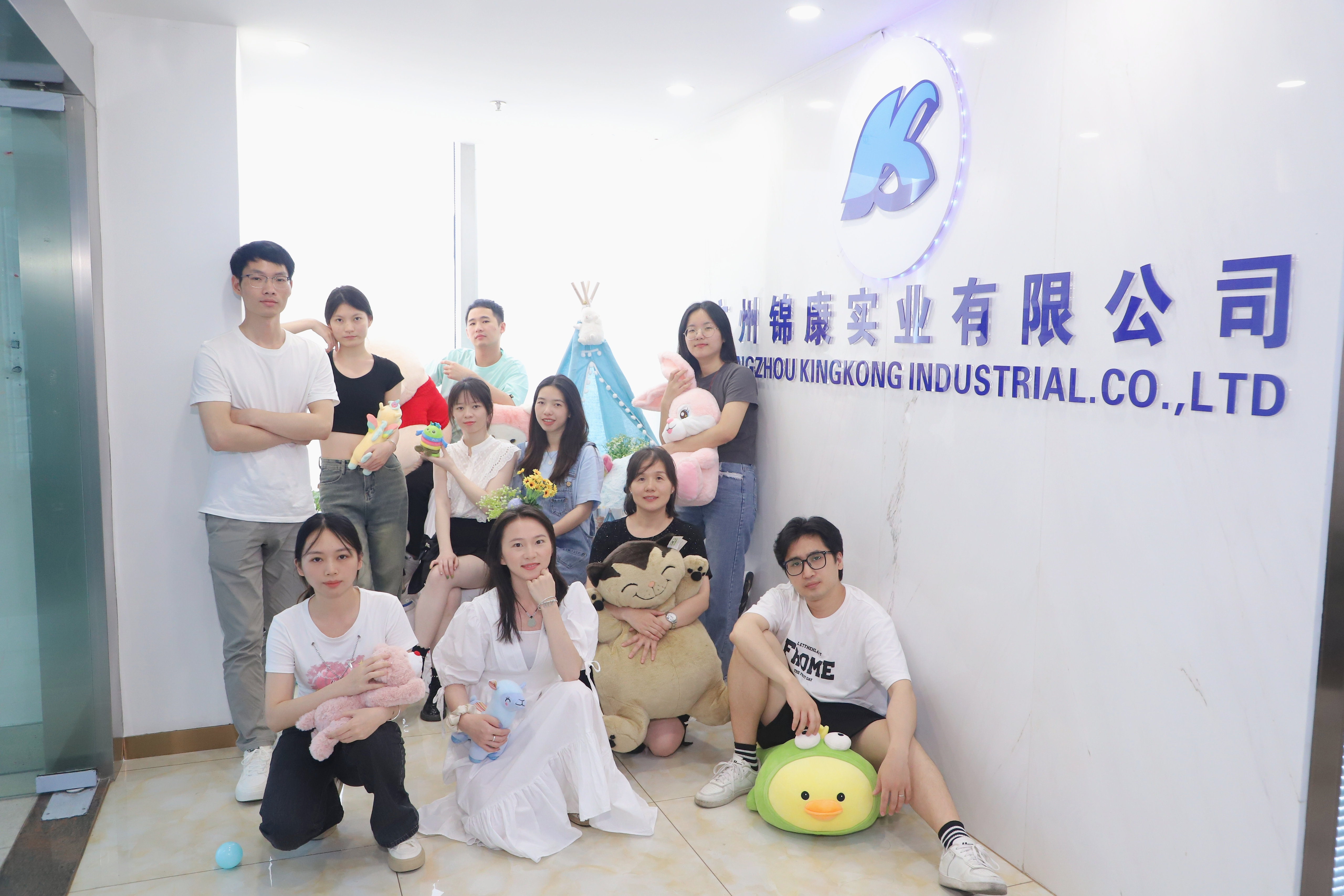
A factory's reputation and experience are crucial factors when considering custom plush toys. Choosing a factory with a strong reputation ensures that the final products are of high quality and meet customer expectations. Factories with a long history of producing custom plush toys typically have well-established processes and a proven track record of customer satisfaction.
Reputation is a term that encompasses the overall perception that customers and business partners have about the factory. A good reputation is built over time by consistently delivering quality products and meeting delivery deadlines. Reviews and testimonials from past customers can provide valuable insight into the reliability and performance of the factory. Experience is equally important. A factory with years of experience producing custom plush toys will have a deep understanding of materials, manufacturing techniques, and market trends. This experience allows the factory to anticipate and resolve potential problems before they affect the final product.
Additionally, an experienced factory can offer expert advice on design and production, ensuring that custom plush toys are not only attractive but also durable and safe for consumers. In short, when selecting a factory for plush customization, it is essential to consider both reputation and experience. These factors not only ensure a high-quality product but also provide peace of mind, knowing that you are working with a reliable and competent partner.
 QUALITY CONTROL PROCESSES
Initial Material Inspection
Before the production of custom plush toys begins, it is crucial to perform an initial inspection of the materials. This includes checking the quality of the fabrics, stuffing, and other components. The factory must ensure that all materials meet established safety and quality standards. Rigorous control at this stage can prevent future problems and ensure that custom toys are safe for children.
In-Process Quality Checks
During the production of custom plush toys, quality checks must be carried out at each stage of the process. This includes checking stitching, uniformity of stuffing, and accuracy of custom details. Quality inspectors must be present on the production line to identify and correct any defects immediately. Early detection of errors is essential to maintaining quality and avoiding the need for costly rework.
Final Product Inspection
Once custom plush toys are fully assembled, a final inspection is performed. This step is critical to ensure that each toy meets customer specifications and quality standards. Final inspection includes checking the product's appearance, functionality, and safety. Only toys that pass this inspection are ready to be packaged and shipped to the customer.
Compliance and Certification
In addition to internal controls, custom plush toys must comply with international safety regulations and certifications. This may include laboratory testing for harmful substances and ensuring that toys do not pose choking or injury risks. Obtaining certifications such as CE, ASTM, or CPSIA is an indicator that toys have passed rigorous quality controls and are safe for the global market.
Continuous Improvement
The quality control process does not end with the final inspection. Factories must implement a continuous improvement system to identify areas for improvement and optimize their processes. This may include customer feedback, internal audits, and ongoing staff training. A proactive approach to quality ensures that custom plush toys not only meet but exceed customer expectations.
 COMMUNICATION AND LANGUAGE
Importance of Clear Communication
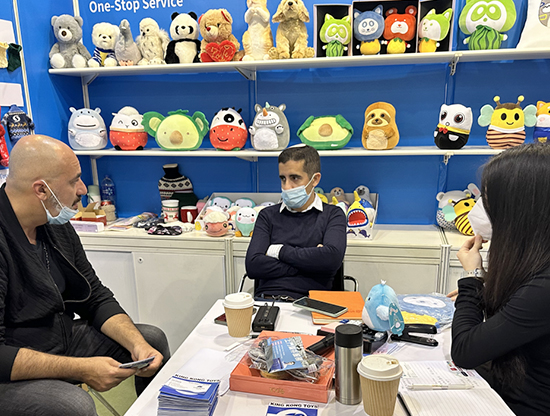
In the process of creating custom plush toys, clear communication is paramount. Misunderstandings can lead to delays, increased costs, and unsatisfactory products. Ensuring that both parties have a mutual understanding of the project requirements is essential for a successful collaboration.
Language Barriers
When working with a Chinese factory, language barriers can pose significant challenges. Many factories may need fluent English speakers, which can complicate the exchange of detailed specifications and expectations. Utilizing simple and clear language, along with visual aids such as sketches or prototypes, can help bridge this gap.
Utilizing Translation Tools
Translation tools and services can be invaluable in overcoming language barriers. However, it is important to be aware of their limitations. Automated translations may only sometimes capture the nuances of technical terms related to custom plush toys. Professional translation services or bilingual intermediaries can provide more accurate and reliable communication.
Regular Updates and Feedback Maintaining regular communication throughout the production process is crucial. Regular updates and feedback sessions help ensure that the project stays on track and that any issues are promptly addressed. This continuous dialogue helps in aligning the factory's output with the client's vision for the custom plush toys.
Cultural SensitivityUnderstanding and respecting cultural differences can enhance communication and foster a positive working relationship. Being aware of cultural norms and business etiquette in China can facilitate smoother interactions and demonstrate professionalism and respect.
Effective communication and overcoming language barriers are critical components in the successful customization of plush toys from a Chinese factory. By prioritizing clear communication, utilizing translation tools wisely, and maintaining regular updates, the process can be streamlined, leading to high-quality custom plush toys that meet client expectations.
 DESIGN AND CUSTOMIZATION
UNDERSTANDING DESIGN LIMITATIONS
Material Constraints
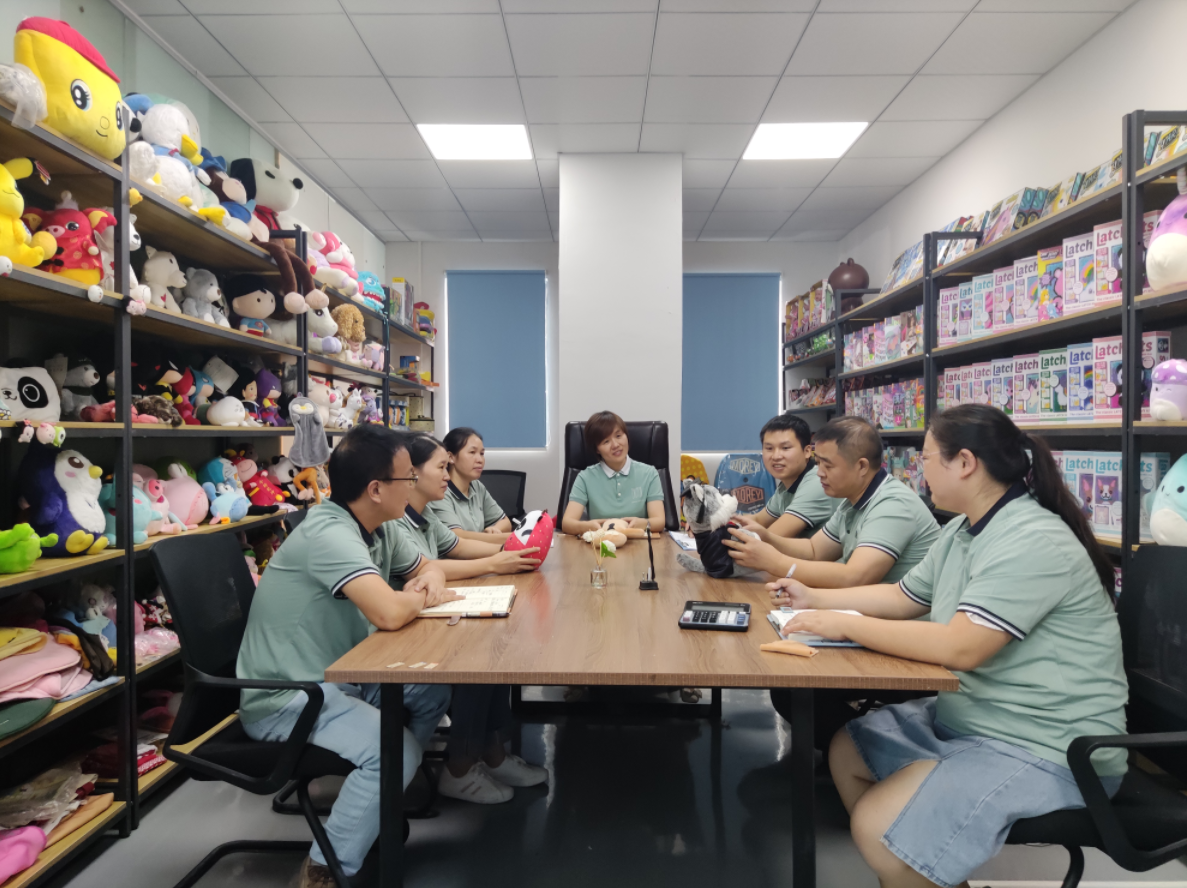
In the process of creating custom plush toys, it is crucial to consider the limitations of the materials available. Chinese manufacturers often offer a variety of fabrics and fillings, but not all design ideas can be realized with these materials. For example, certain fine details or complex structures may not be possible due to the nature of the plush fabric. It is crucial to work closely with the supplier to understand what is feasible and what is not.
Technical FeasibilityTechnical feasibility is another critical aspect. The machines and sewing techniques used in the manufacture of plush toys have their limitations. Extremely detailed or unusually shaped designs may require specialized production techniques that not all manufacturers can offer. Additionally, some elements, such as eyes or additional accessories, may need to be simplified to ensure the final product is safe and durable.
Cost Implications
Design constraints also have a direct impact on the cost of production. The more complex the design, the higher the cost. This is because complicated designs require more labor time and may require special materials. It is important to balance creativity with economic viability to ensure that custom plush toys are both attractive and affordable.
Regulatory ComplianceFinally, it is essential to consider the safety regulations and standards that plush toys must meet. Chinese manufacturers are generally well-informed about international regulations, but it is the designer's responsibility to ensure that the final product complies with all applicable regulations. This may include additional safety testing and design adjustments to meet child safety standards.
MATERIAL SELECTION
Material selection is a crucial aspect in customizing custom plush toys from a Chinese factory. This process not only determines the final quality of the product but also its durability and safety.
 Material Quality
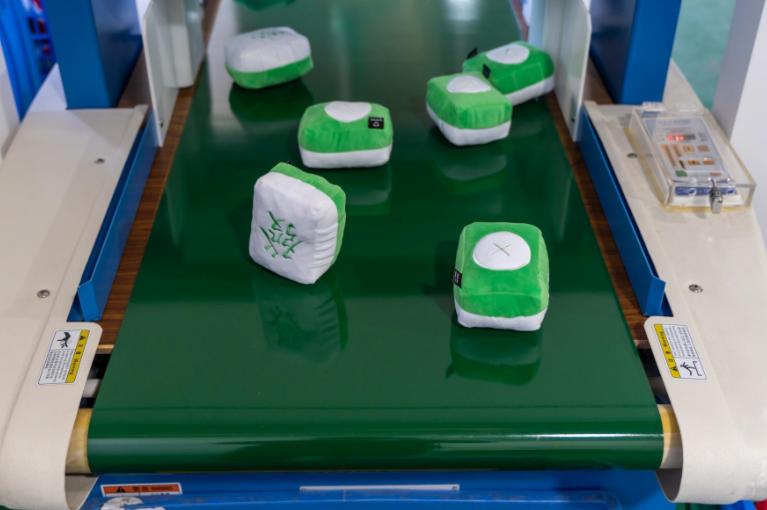
Material quality is critical to ensure that custom plush toys are soft to the touch and resistant to daily use. Common materials include high-density plush, cotton, and polyester. It is essential to select materials that are not only pleasant to the touch but also meet international safety and quality standards.
Safety and Regulations
Safety is a priority when it comes to custom plush toys. Materials must be non-toxic and hypoallergenic to avoid any health risks, especially in products intended for children. Furthermore, materials must comply with international regulations, such as EN71 in Europe or ASTM in the United States, to ensure that toys are safe for use.
Sustainability
Sustainability is now an increasingly important factor in material selection. Opting for recycled or eco-friendly materials not only contributes to environmental protection but can also be an attractive selling point for conscious consumers. Choosing sustainable materials can include organic cotton, recycled polyester, and other eco-friendly fabrics. In short, the selection of materials for custom plush toys in a Chinese factory should focus on quality, safety, and sustainability. These factors not only guarantee a high-quality end product but also ensure that the toys are safe and environmentally friendly.
CUSTOMIZATION OPTIONS
When it comes to customizing plush toys in a Chinese factory, there are several options to consider to ensure the final product meets expectations.
 Materials
The choice of materials is critical. Chinese factories offer a wide range of options, from high-quality plush to cheaper fabrics. It is crucial to select materials that are not only durable but also safe for children to use. Additionally, the texture and color of the material can significantly influence the look and feel of the toy.
Design and Details
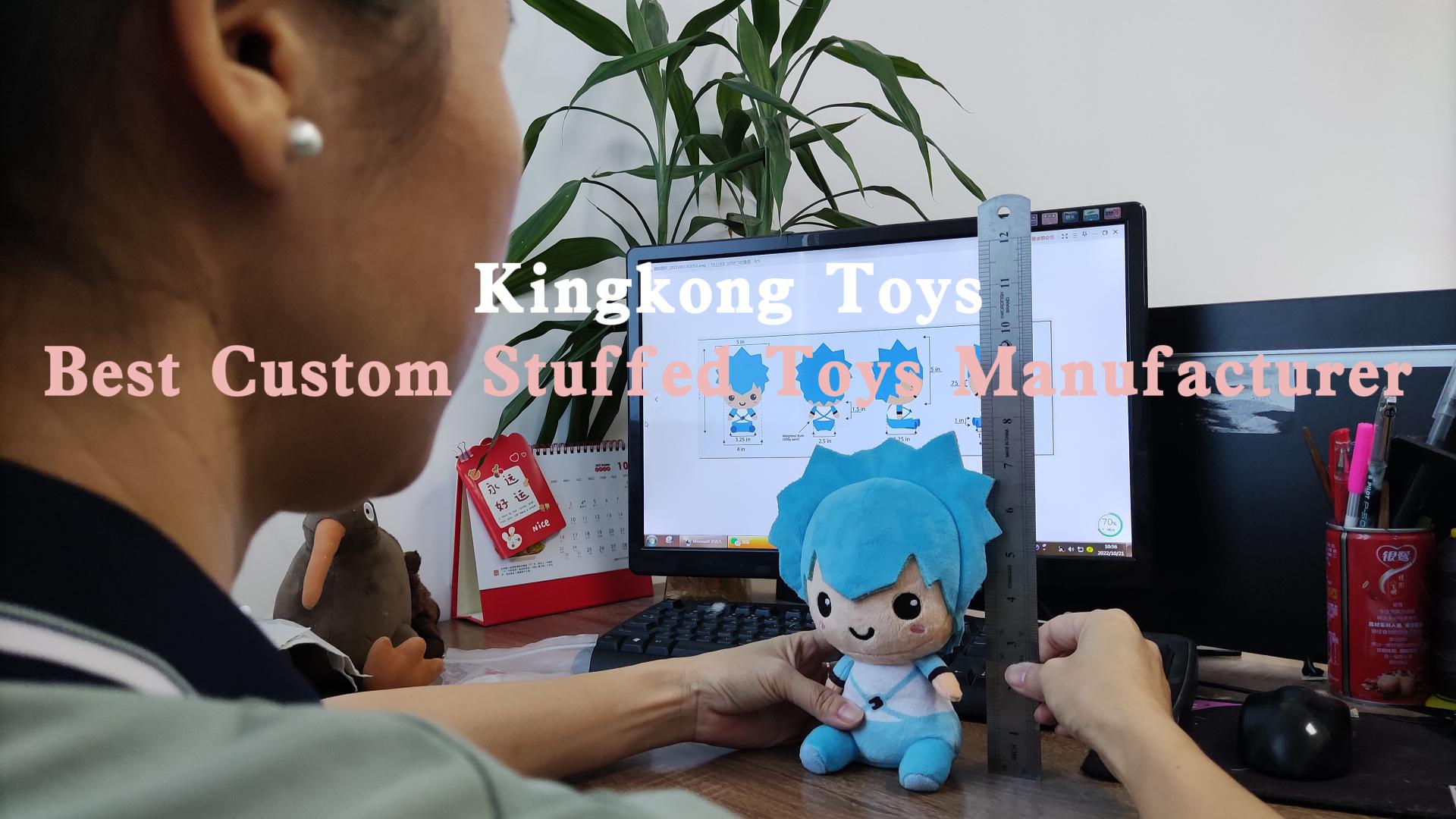
Design is another key aspect in customizing plush toys. Factories often offer design services that allow customers to submit their sketches or work with in-house designers to create a prototype. Details such as embroidery, stitching, and additional accessories (such as buttons or clothing) can be customized to add a unique touch to the toy.
Size and Shape
The size and shape of the plush toy are also customizable. From small key chains to large, life-sized plush toys, Chinese factories can tailor their production processes to meet customer specifications. It is important to clearly define the dimensions and the desired shape to avoid misunderstandings and ensure that the final product is exactly as imagined. In short, customizing custom plush toys in a Chinese factory offers a variety of options that allow for creating a unique and high-quality product. The choice of materials, design and details, as well as size and shape, are crucial aspects that must be carefully considered to achieve the best possible result.
LOGISTICS AND PRODUCTION
 PRODUCTION TIMELINES
Producing custom plush toys in a Chinese factory involves a number of critical stages that must be precisely managed to ensure the timely delivery of the final product. Production timelines are a fundamental aspect that can significantly influence the success of the project. First of all, it is essential to consider the design and approval time. This process can vary depending on the complexity of the custom plush design. Revisions and modifications can extend this period, so it is crucial to have clear and efficient communication with the factory's design team. Once the design is approved, the next phase is sample production. Samples are vital to ensure that the final product meets quality and design expectations. This step can take from a few days to several weeks, depending on the factory's workload and the complexity of the plush. The next step is mass production. This is the longest process and can take several weeks or even months. Factors such as material availability, factory production capacity, and the number of units ordered can significantly impact timelines. It is important to note that any changes to the design or materials during this phase can cause additional delays. Finally, logistics and shipping also play a crucial role in production times.
Shipping time can vary depending on the final destination of the custom plush toys and the shipping method selected. It is advisable to plan and consider possible customs or logistics delays. In short, properly managing production times is essential to ensure that custom plush toys are delivered on time and meet the expected quality standards. SHIPPING AND IMPORT REGULATIONS Understanding the Basics When dealing with custom plush toys from a factory, it is crucial to understand the shipping and import regulations that govern the process. These regulations can vary significantly depending on the destination country, and non-compliance can lead to delays, additional costs, or even confiscation of goods.
Documentation Requirements Proper documentation is essential for the smooth import of custom plush toys. Key documents typically include the commercial invoice, packing list, bill of lading, and any certificates of origin. Ensuring that all paperwork is accurate and complete can prevent unnecessary complications at customs.
 Customs Duties and Taxes
Importing custom plush toys often involves paying customs duties and taxes. These fees are determined by the product's classification under the Harmonized System (HS) code. It is advisable to consult with a customs broker or use online tools to estimate these costs beforehand, as they can significantly impact the overall budget.
Compliance with Safety StandardsMany countries have stringent safety standards for toys, including custom plush toys. Compliance with these standards is mandatory and may require testing and certification. For instance, the European Union has the CE marking, while the United States follows the Consumer Product Safety Improvement Act (CPSIA). Ensuring that the products meet these standards is essential to avoid legal issues and ensure consumer safety.
Shipping Methods and Timelines
Choosing the right shipping method is another critical aspect.
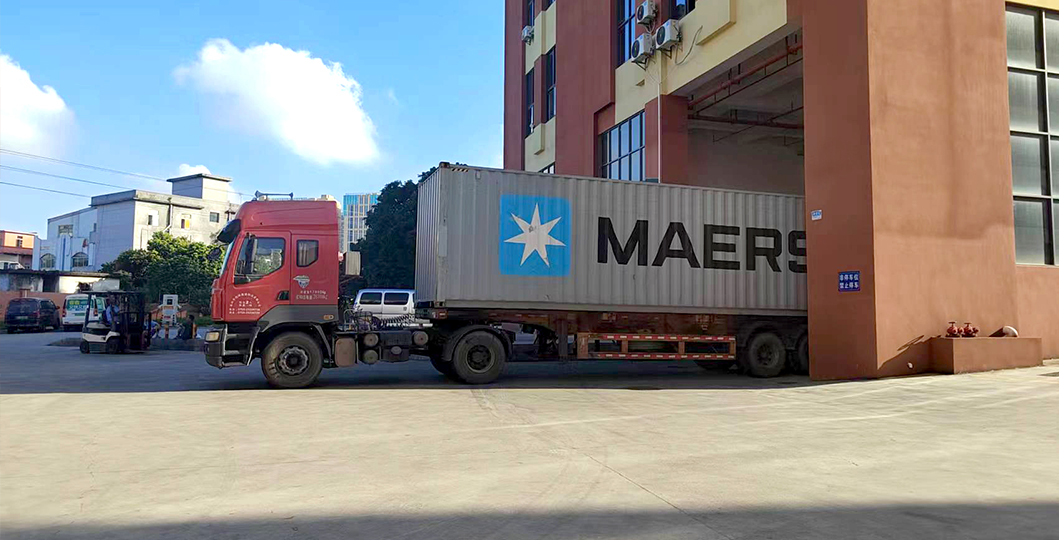
Options range from air freight, which is faster but more expensive, to sea freight, which is cost-effective but slower. The choice will depend on factors such as budget, urgency, and the volume of custom plush toys being shipped. Understanding the timelines and planning accordingly can help in meeting market demands efficiently.
Handling and Storage
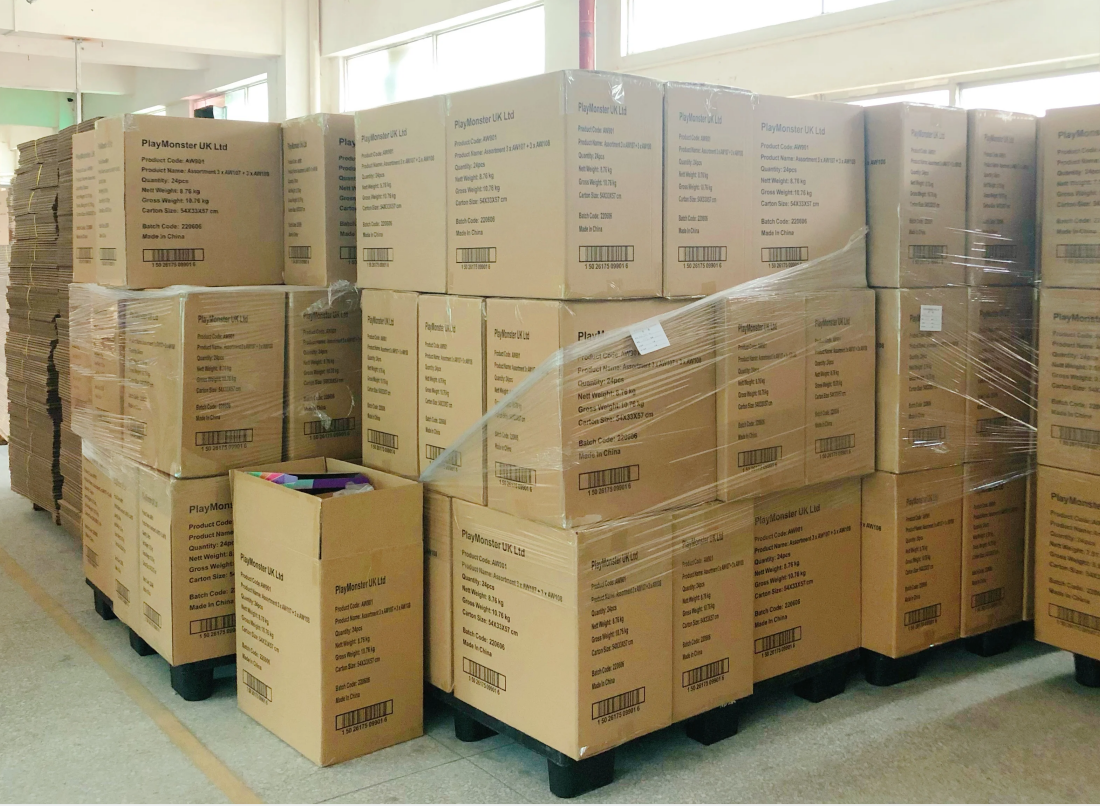
Proper handling and storage during transit are vital to maintain the quality of custom plush toys. This includes ensuring that the packaging is robust enough to withstand the journey and that the storage conditions are suitable to prevent damage. Working with reputable shipping companies that offer tracking and insurance can provide additional peace of mind. In conclusion, navigating the shipping and import regulations for custom plush toys from a Chinese factory requires careful planning and attention to detail. By understanding the basics, ensuring proper documentation, complying with safety standards, choosing the right shipping methods, and ensuring proper handling and storage, businesses can successfully bring their products to market.
QUALITY INSPECTION AND TESTING
 Ensuring Durability and Safety
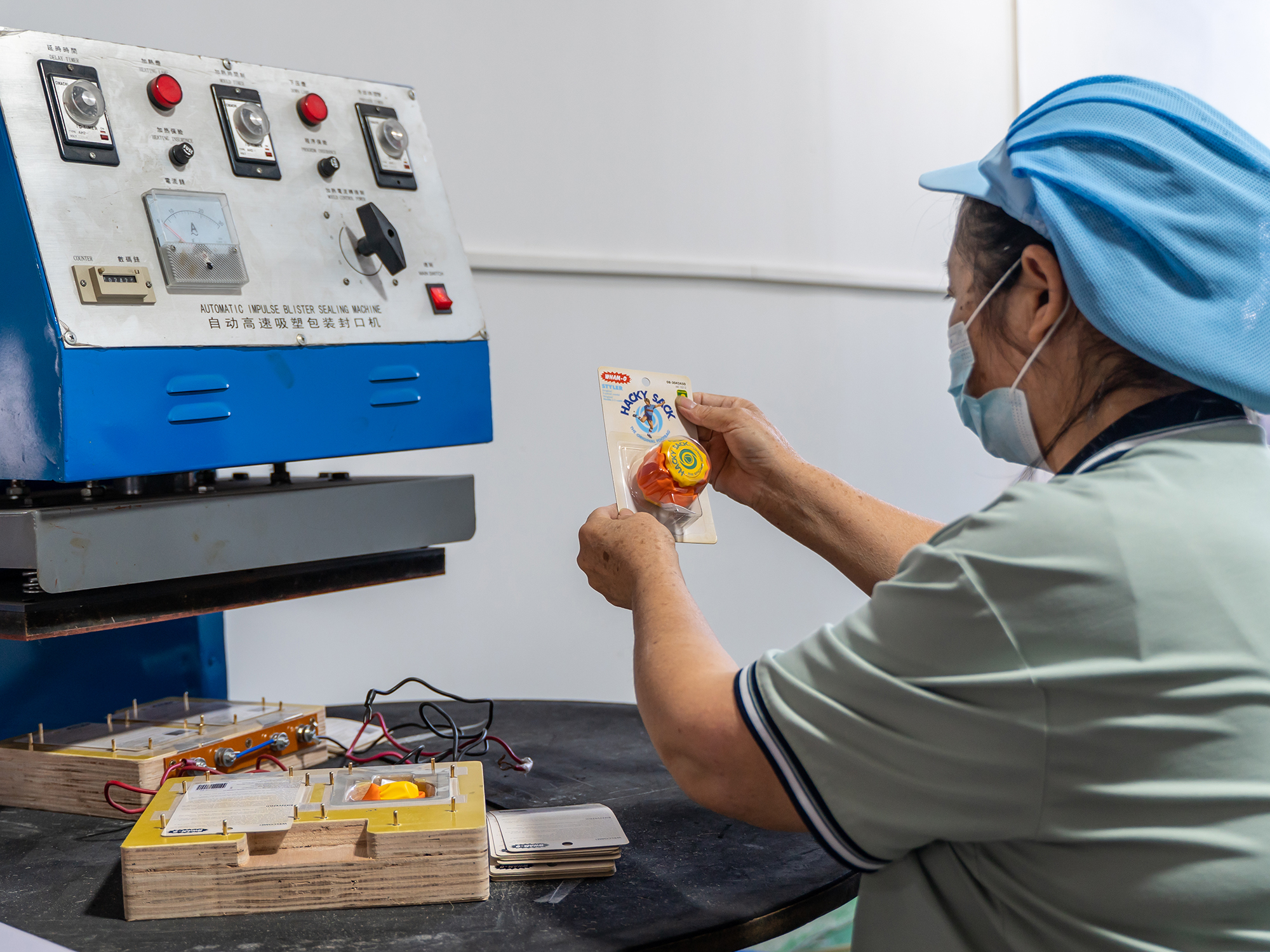
Custom plush toys from Chinese factories must undergo rigorous quality inspection and testing to ensure they meet international standards. This process is crucial to guarantee the durability and safety of the toys, especially since they are often intended for children. Factories implement a series of tests to check for potential hazards such as choking risks, sharp edges, and toxic materials.
Material and Fabric Testing
The first step in quality inspection involves examining the materials used in the production of custom plush toys. Factories must ensure that fabrics are non-toxic, hypoallergenic, and free from harmful chemicals. Additionally, the stitching and seams are tested for strength to prevent any parts from coming loose, which could pose a choking hazard.
Mechanical and Physical Testing
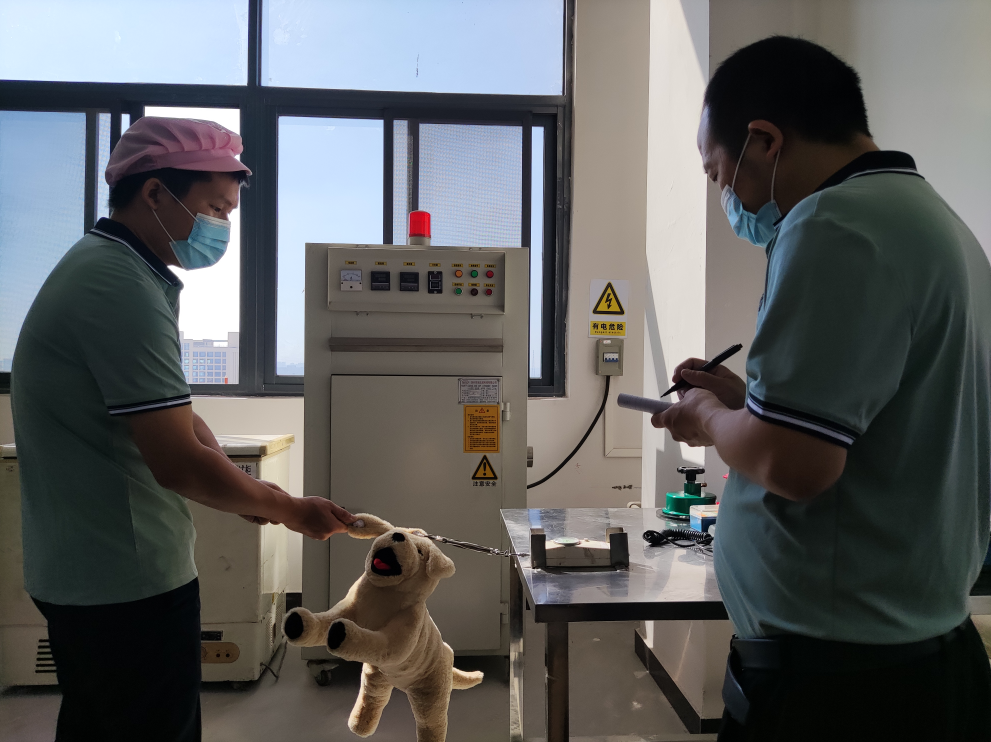
Mechanical and physical tests are conducted to assess the toy's durability under various conditions. These tests include pulling, twisting, and compressing the plush toys to simulate real-life usage. The goal is to ensure that the toys can withstand rough handling without breaking or losing their shape. This is particularly important for custom plush toys that may have unique designs or additional features.
Compliance with International Standards
Chinese factories producing custom plush toys must comply with international safety standards such as ASTM, EN71, and CPSIA. These standards outline specific requirements for toy safety, including flammability, chemical composition, and mechanical properties. Factories often work with third-party testing labs to certify that their products meet these stringent criteria.Kingkong Toys Factory have ICTI, BSCI, ASTM, EN71 certificate.
Final Inspection and Packaging
Before shipping, a final inspection is conducted to ensure that each custom plush toy meets the quality standards set by the factory and the client. This includes checking for any defects, verifying the accuracy of custom features, and ensuring proper packaging. Proper packaging is essential to protect the toys during transit and to present them attractively to consumers. In conclusion, the quality inspection and testing of custom plush toys from our factories are comprehensive processes designed to ensure safety, durability, and compliance with international standards. These measures are vital to maintaining consumer trust and delivering high-quality products.